IMPORTANT HEALTH UPDATE May take up to 10 seconds to load.
Have you ever stopped to think about what you’d do if your water suddenly stopped flowing?
It doesn’t matter how much you pay for your water bill. Or how many cases of bottled water you have sitting in the garage.
When the system goes down, everyone is on their own.
Maybe you’ve looked into stockpiling water, buying expensive filters, collecting rainwater, or even drilling a well. But when you dig deeper, every option seems either too expensive, too complicated, or simply unreliable when a real emergency hits.
Over the past few years, wildfires, droughts, water restrictions, and supply disruptions have left millions of Americans wondering if clean water can really be taken for granted anymore.
The truth is, nobody wants to find out too late that their family’s survival depends entirely on a system that can fail when they need it most.
Now imagine turning on your faucet… and nothing comes out.
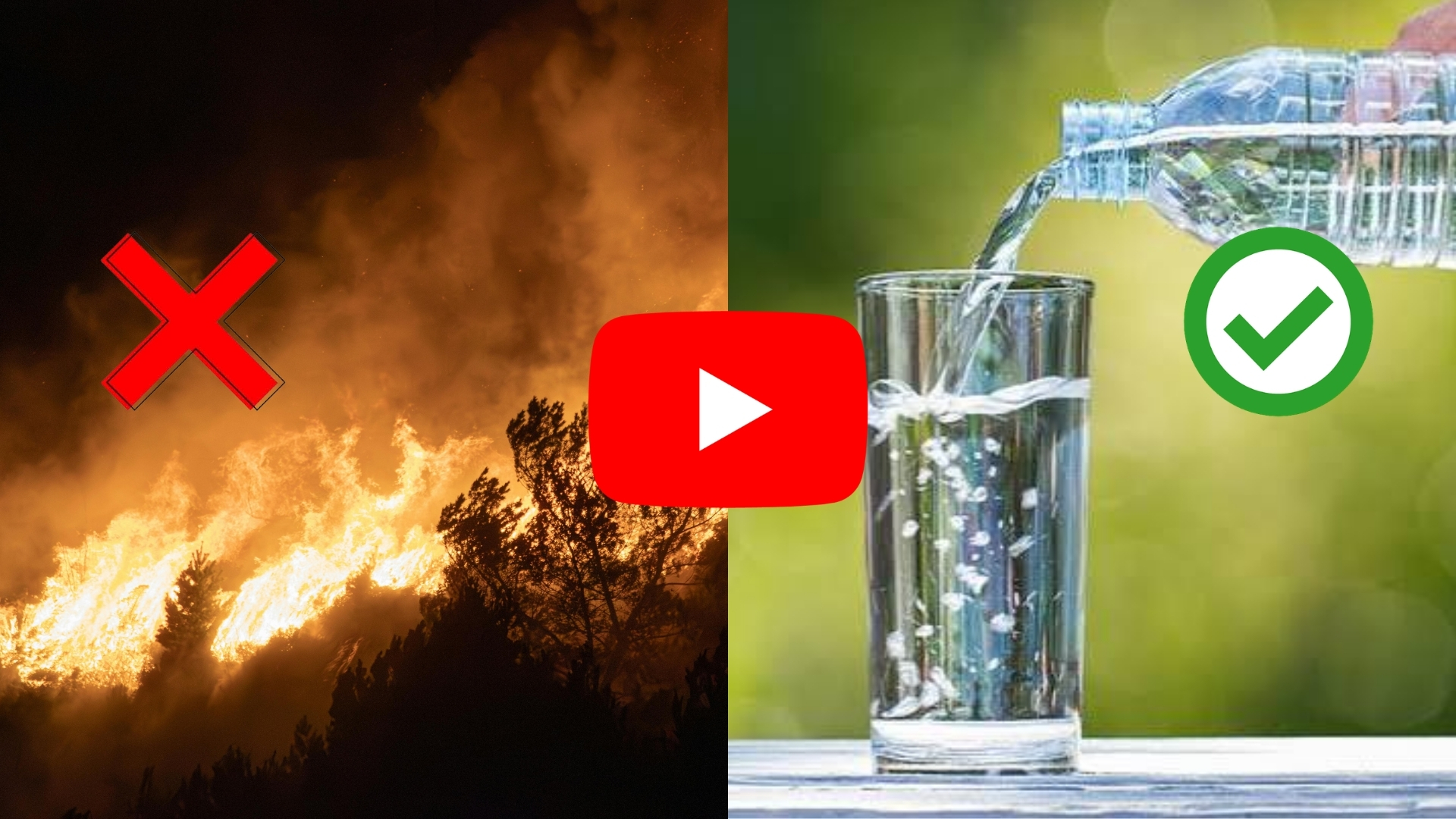
Or worse, watching your home threatened by a fast-moving wildfire while fire hydrants run dry and help never arrives.
As unbelievable as it sounds, situations like this have already happened—and they’ve exposed just how fragile our water infrastructure can be.
What’s even more concerning is that these events seem to be happening more often.
Hoping everything goes back to normal may not be the safest plan if protecting your family is one of your top priorities.
While looking for answers, one discovery caught a lot of attention.
According to documents reportedly connected to former military engineering projects, there may be a way to generate clean water directly from the moisture already floating in the air—without drilling a well, waiting for rain, or relying on the public water system.
Even more surprising, this technology was allegedly developed for use in submarines and space missions, yet most people have never heard about it.
If that sounds hard to believe, you’re not alone.
For years, only a handful of people reportedly had access to the technical plans explaining how this simple condensation process could turn ordinary air into drinkable water.
Today, that same concept is drawing attention from thousands of Americans looking for a more independent way to secure their water supply.
People from all walks of life have shared remarkable stories after building systems based on these plans.
Some claim they stopped buying bottled water for months. Others say they had running water during power outages. There are even reports from homeowners who relied on the system during emergency situations.
According to the information presented, a properly built unit can produce up to 40 gallons of clean water per day, depending on local humidity and weather conditions.
What makes these stories even more interesting is that many came from ordinary people—not engineers.
Retirees, parents, farmers, and homeowners all claim they were able to build the system by following clear instructions.
They say the real secret isn’t expensive equipment—it’s understanding a simple process that very few people know about.
The video explaining this entire story may not stay online forever.
If you’d like to see how this system supposedly works, why so many people are talking about it, and what makes this technology so different, now is the time to watch while it’s still available.
Copyright © 2026 Health Pro News LLC – All Rights Reserved
This site and the products and services offered on this site are not associated, affiliated, endorsed, or sponsored by Clickbank, nor have they been reviewed, tested, or certified by Clickbank.